 guide
GUIDE
Getting Around the Capital Region: Metro, Rail, Bus, Roads and Tolls
Build a journey around the actual address, time and return trip. A station name alone rarely tells the whole story.
CAPITAL REGION · COMMUNITY
Logan Circle / 14th Street / U Street links neighborhood streets with overlapping commercial and cultural corridors. The combined guide is intended to help readers navigate that relationship while preserving the fact that these names do not describe a single official neighborhood boundary.
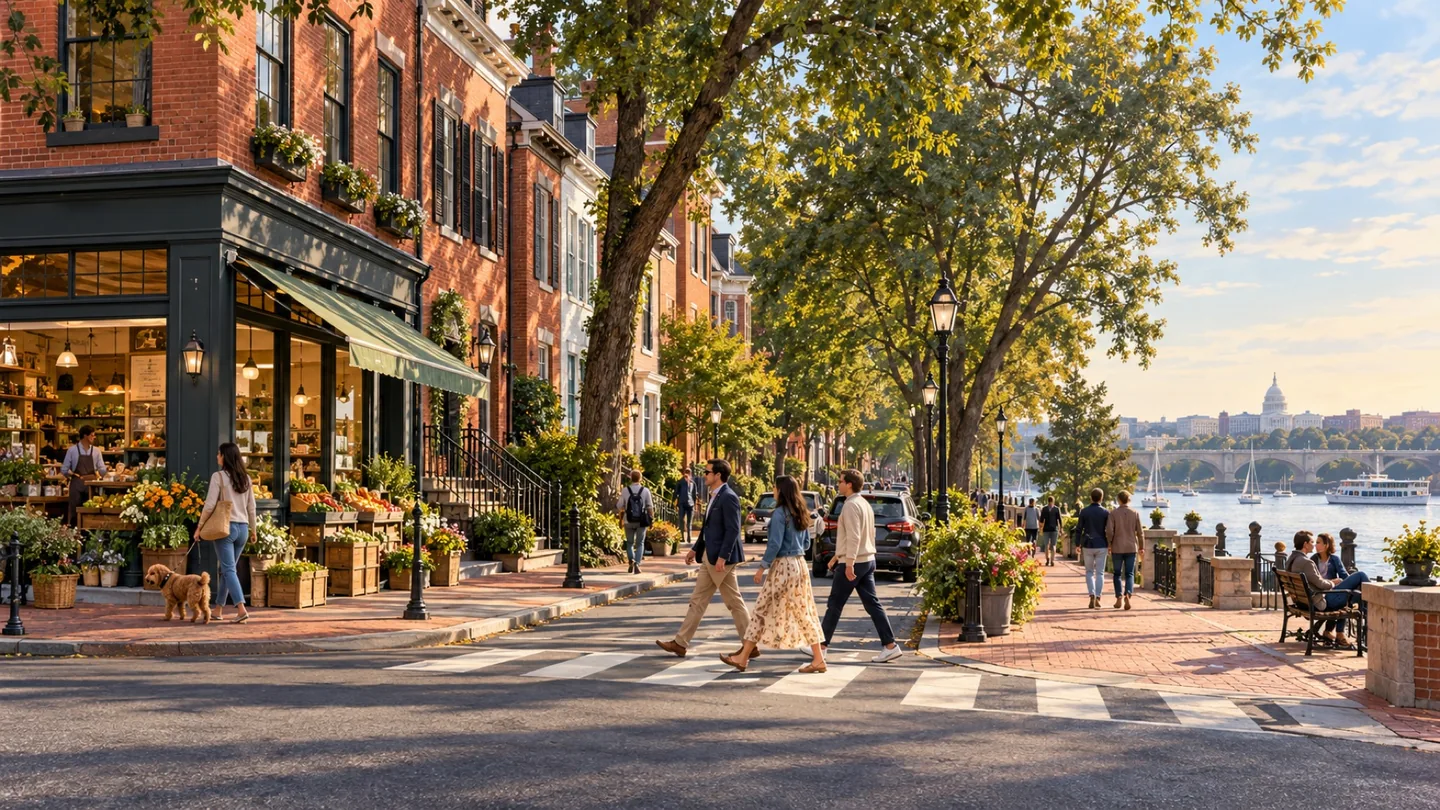
Logan Circle / 14th Street / U Street links neighborhood streets with overlapping commercial and cultural corridors. The combined guide is intended to help readers navigate that relationship while preserving the fact that these names do not describe a single official neighborhood boundary.
DC’s historic-preservation resources recognize distinct districts in this area, including U Street. Official maps and property records should answer regulatory questions; the broader editorial grouping organizes exploration. It should not be used to assign one designation to every included address.
Compare the blocks around the destinations that matter to you. A major corridor and a nearby residential street can provide different experiences at different times. A useful first visit includes both the activity you enjoy and the route you would take home.
For a home or commercial space, assess the actual building and immediate surroundings. Check access, shared rules and any proposed alterations. Historic character and a familiar corridor name do not establish the condition or permitted use of a particular property.
Plan a full journey rather than choosing by neighborhood label alone. Check current transit connections, street crossings and the final approach. If evening activity is part of the appeal, examine the return trip at the time you would normally make it.
District mapping resources can establish official ward, ANC or property context. Keep those results distinct from this editorial coverage area. Verify current opening details and cultural programming directly with the relevant venue or organizer before making a special trip.
Business coverage can explain the difference between neighborhood services and occasion-driven visits along the corridors. Start with verified identities and clear location descriptions. Sponsored visibility should be labeled and should not turn a commercial relationship into a claim about the area’s official boundaries.
SCHOOLS + STUDENT LIFE
A neighborhood name does not prove a school assignment, voting district, ward, precinct, tax parcel or service boundary. Use the exact address in the current official lookup and confirm unusual cases with the responsible agency.
The school system and enrolled school make individual assignment, enrollment, transfer and athletic-eligibility decisions.
CIVIC + EVERYDAY SERVICES
Ward, ANC, school boundary and public-space questions can follow different maps. Check the exact address and current school year before making a household decision.
Jurisdiction resources checked 2026-11-10. Recheck changing boundaries, officeholders, meeting dates and registration inventory at the official source.
USE THIS AREA WELL
Logan Circle, the 14th Street corridor and U Street are connected but distinct places with different histories, transit choices and nighttime patterns. A useful guide must name the segment and avoid flattening the area's Black history, residential life, theaters, restaurants and new development into one nightlife label. Metro stations sit at different ends, and late-night transportation or noise can shape the experience.
Coverage should include the U Street Historic District, music and theater, independent businesses, housing, public space and changing commercial patterns. Event pages need primary venue links and exit plans. Readers considering the area should visit during both daytime and a busy evening. Planning and preservation claims require DC sources, while business openings and hours need direct verification.
BEFORE YOU CHOOSE
ONGOING COVERAGE
OFFICIAL STARTING POINTS
RELATED READING
guide
GUIDE
Build a journey around the actual address, time and return trip. A station name alone rarely tells the whole story.
 guide
GUIDE
Use the station area and building address to turn a broad Tysons search into a practical plan.
 guide
GUIDE
Reston works best when you connect the transit map to the particular destination and path you intend to use.