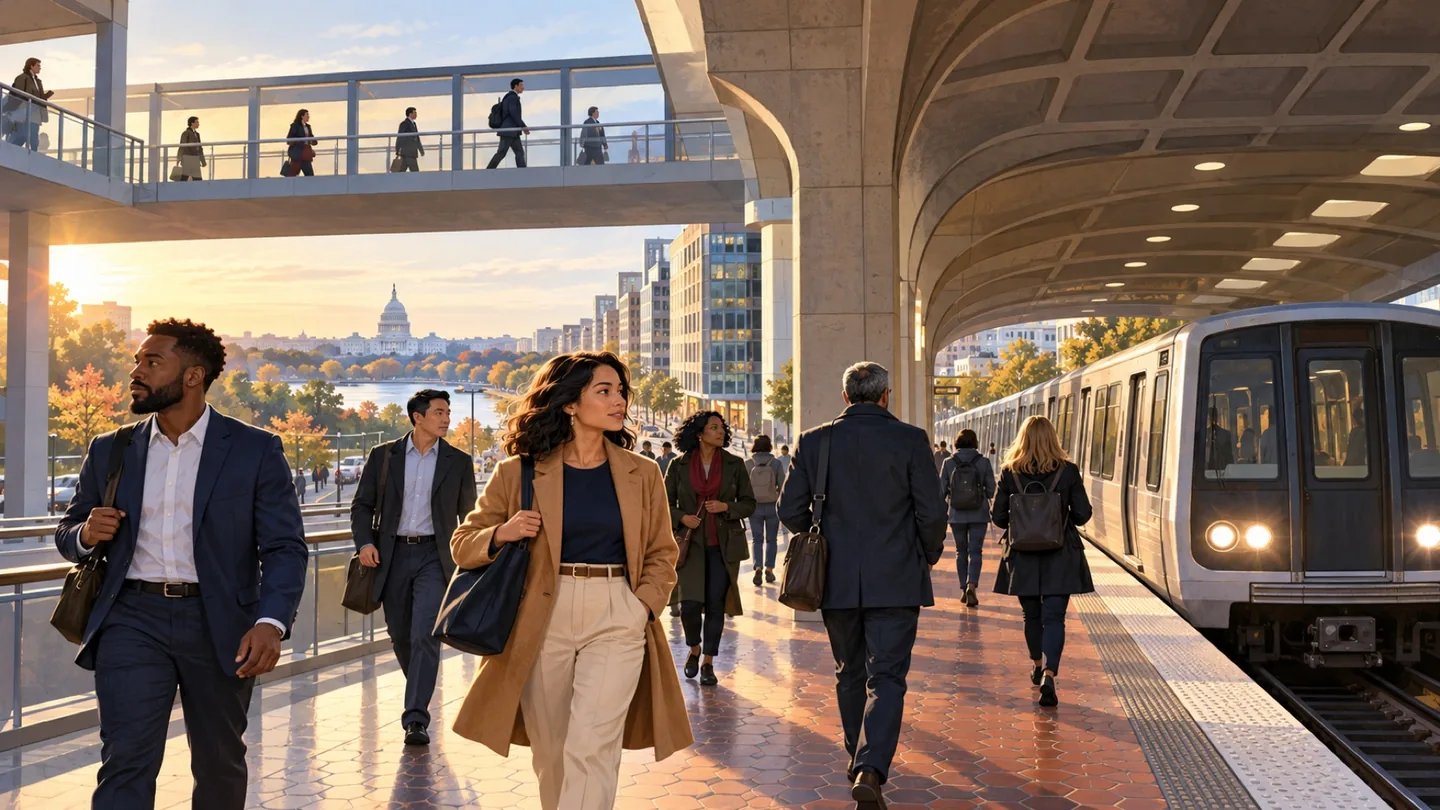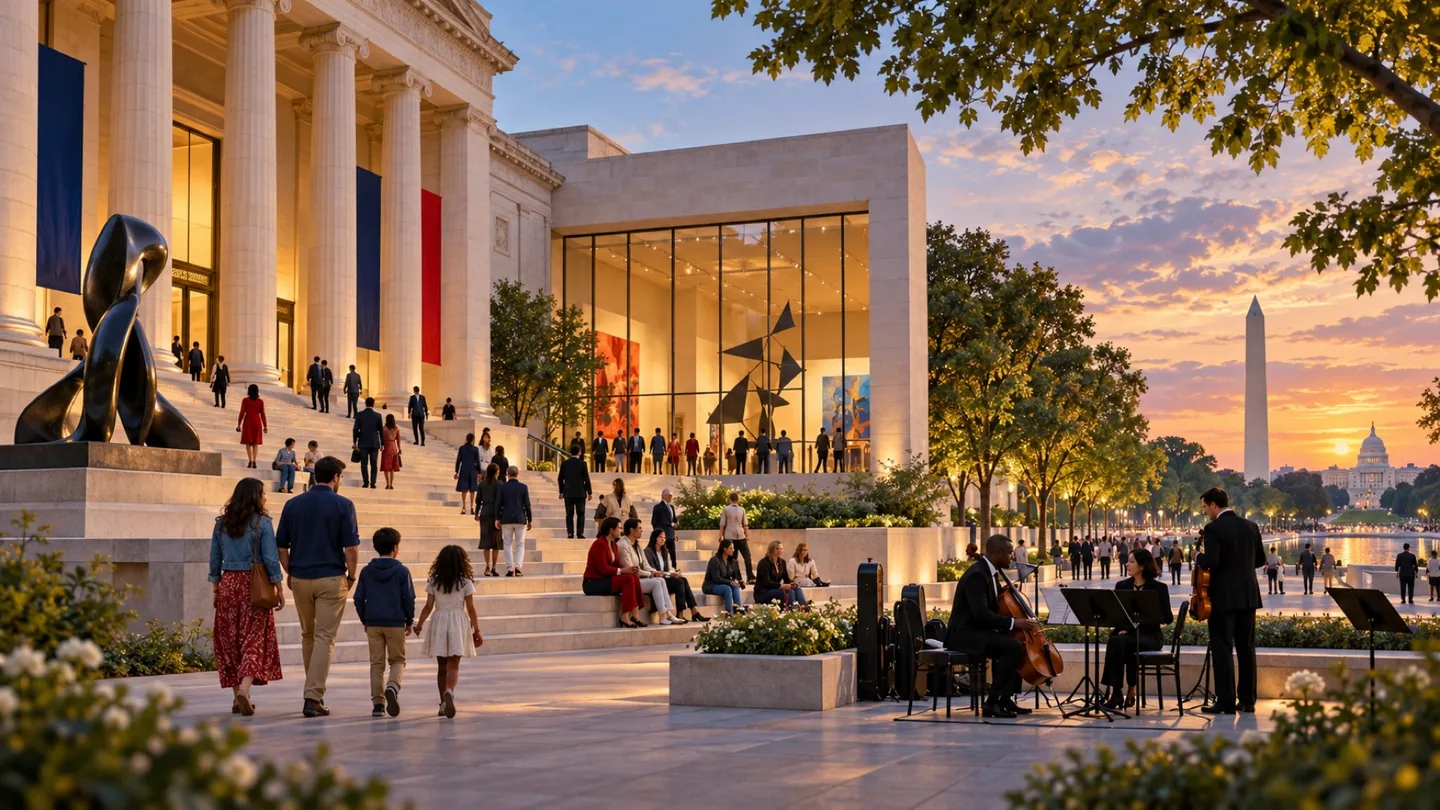
The National Mall is easier to enjoy when the day has a focus. Decide whether you want a memorial walk, a museum visit or a short introduction to the monumental landscape. Trying to do all three in full can leave little time to absorb any of them. Begin with two or three places that matter to your group, then map the journey and the return before adding more.
Choose a cluster, not a checklist
The National Park Service's planning page brings together the major monuments and memorials, maps and visitor resources. For an introductory walk, consider a focused group such as the Lincoln Memorial and nearby war memorials, or a route centered on the Tidal Basin memorials. These are editorial starting points; use the current park map to choose the exact route.
Agree on what you want from each stop. A photograph, a careful reading of inscriptions and a reflective pause take different amounts of time. Give people room to experience the memorial in the way they came for. A smaller selection can create a more memorable day than a fast circuit of every recognizable landmark.
Separate outdoor space from building entry
Being able to reach a monument's grounds does not establish access to its interior or any ticketed experience. Open the specific destination's official visitor page before making a promise to your group. Review reservations, entry requirements and notices for that place.
Museums also have their own procedures. The Smithsonian museum directory is a starting point for identifying the right institution and its visitor information. If a museum is the day's main attraction, plan the outdoor segment around it. A reservation should be treated as a fixed commitment, with time for the entrance and any screening.
Plan the spaces between stops
Look at the whole route, including the approach from transit or parking and the journey back. Identify places to pause and decide how you would shorten the walk. Consider sun, rain, wind and each person's comfort with standing or walking. Do not rely on the visual closeness of landmarks in a photograph to estimate the effort of the day.
For a group, choose a clear meeting point if people separate. Keep the return plan available to everyone, and avoid making one person's phone the only copy of the itinerary. A simple map with the main stops marked is often more useful than a dense schedule.
Make the final check before leaving
Review current park notices and the official pages for any interior visit. Confirm your arrival route, essential reservation and return connection. Bring what the day's conditions require while respecting the entry rules of buildings you expect to enter.
If time or energy runs short, finish the chosen cluster rather than rushing to a distant landmark. Leave the next museum or memorial for another visit. The National Mall serves civic, commemorative and recreational purposes at once; a thoughtful itinerary makes space for that range without requiring you to cover the entire landscape in a single day.
Choose the memorial cluster by purpose
Start with the reason for the visit. A history-focused group, a veteran's family, a school group and a first-time tourist may choose different clusters even with the same amount of time. Select two or three related destinations and decide what deserves a longer pause. Use the current National Park Service map to confirm the route rather than relying on visual proximity.
Assign optional status to any distant stop before the day begins. If weather, fatigue or a meaningful conversation slows the group, finish the chosen cluster and protect the return. This is a better experience than treating the Mall as a list to be completed.
Build an accessible route from the entrance outward
Plan the approach, surface, grade, rest opportunities and return as one continuous journey. For specific accessibility needs, consult the official page for each destination and contact the responsible organization when the published information is not enough. Do not assume that a general park description answers the details of an interior space or a temporary route change.
A mixed-mobility group should agree on a primary meeting point and a shorter alternative. Keep the itinerary available to everyone and make sure the person who needs the shorter route is not separated from the return information.
Plan a museum-plus-outdoors day
If a museum is the anchor, treat its current visitor requirements as the fixed part of the schedule. Choose one outdoor cluster on the same side of the day rather than placing long walks before and after the building visit. Confirm the museum through its own official page because directories, reservation systems and gallery availability can change.
Allow time for the entrance, screening, coat or bag decisions and the walk from transit. The museum portion should remain valuable even if the outdoor plan is shortened. Avoid promising access to a particular gallery unless that status has been checked for the publication date.
Handle weather and crowds without over-scheduling
The monumental landscape offers limited protection from heat, cold, wind or rain along some routes. Check the day's conditions, carry appropriate supplies and identify a point where the group can turn back. A weather plan should reduce distance before it adds indoor stops that have not been verified.
Crowds can change walking pace and make vague meeting instructions ineffective. Name a specific public landmark, keep phones charged and set a time to regroup. For children or large groups, use a buddy plan appropriate to the organizer's responsibilities.
Make room for the meaning of the place
Many Mall destinations commemorate service, loss, civic ideals and contested history. Leave time to read, reflect and allow other visitors their space. Keep voices, photography and group activity appropriate to the setting. Follow posted rules and the instructions of park or facility staff.
Editorially, the strongest guide does more than move readers efficiently. It helps them arrive prepared, understand what must be verified, and recognize that a thoughtful pause can be the main event rather than a delay between landmarks.
Use a final checklist
Before leaving, confirm the current park notices, exact arrival, fixed reservation, building rules and return connection. Mark the selected cluster on a shareable map and identify the stop that will be dropped first if the day runs long. Carry essential information independently of one device.
After the visit, note what worked and what should change next time. The National Mall rewards return trips, and a focused first day creates reasons to come back for another museum, memorial cluster, performance or seasonal experience without pretending the entire landscape can be understood at once.
Recheck the details that can change
Before relying on the itinerary, reopen the official pages linked in this guide and confirm the date, entrance, route and service that matter to your visit. Keep the evergreen planning method, but let the responsible agency, venue or operator remain the authority for current conditions.