A Nationals game can be the center of a full Capitol Riverfront outing, but the simplest plan usually works best: confirm the specific game on the official schedule, save the ticket in the required app, choose one arrival method and identify the entrance you intend to use. The neighborhood offers riverfront parks, restaurants and walking connections, yet large crowds and changing event operations can turn casual assumptions into delays. Build the game day from official ballpark and transit information, then add one flexible neighborhood stop.
Start with the official event record
Open the Washington Nationals schedule and select the exact home game. Confirm the opponent, date and first-pitch time on that event page before making transportation or dining plans. Do not rely on a search result, calendar screenshot or an earlier version of the schedule; baseball times and event details can change.
Make sure every person can access the ticket. Review the current digital-ticket instructions, download the required app and avoid waiting until the station platform or gate to resolve an account problem. If the ticket has a special entrance, hospitality area or promotion, read the terms attached to that ticket rather than assuming they apply to the whole park.
Choose one primary arrival plan
The Nationals’ transportation guide collects the current official options for Metro, driving and parking, bicycles, buses and ride-hailing. Use it as the ballpark-specific starting point, then check the operator for live service. The park is at 1500 South Capitol Street SE, but a street address alone is not a complete game-day plan.
Write down the departure time, route, backup and return. If traveling with a group, agree on a meeting point outside the flow of the gate rather than saying only “at the stadium.” Build a larger buffer for a giveaway, a first visit, accessibility needs or a game you cannot afford to miss.
Use Metro with the return in mind
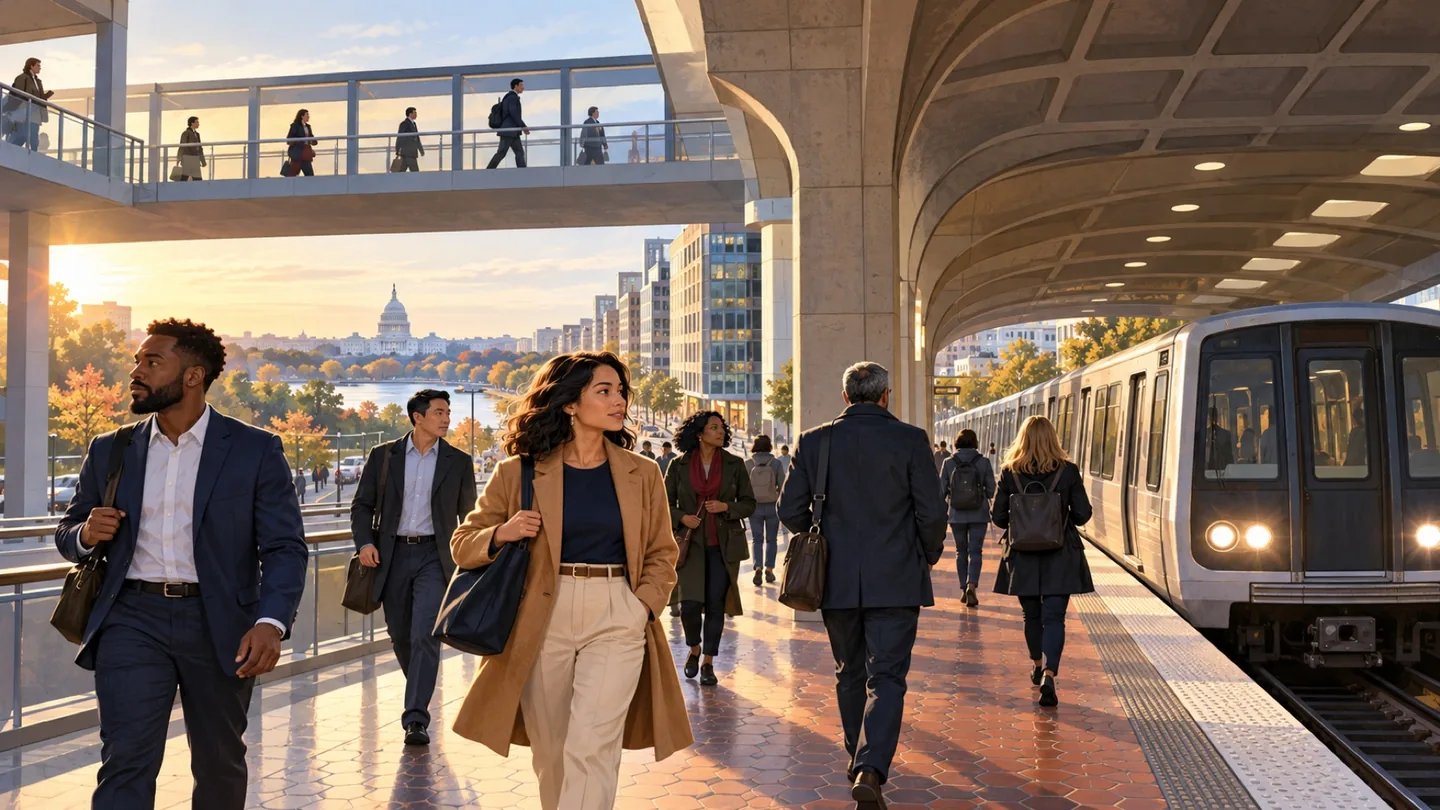
Navy Yard-Ballpark is the nearby Green Line station. Check the WMATA station page and trip planner for the date and time of the game, including service notices and the expected return. If a transfer is required, save the line and destination for both directions.
After the final out, large numbers of people may reach the station together. Decide whether the group will leave immediately, wait in the neighborhood or walk to another connection only after checking that option. Keep the fare method ready before entering the line, and do not build the return around a last-train time copied into an evergreen guide.
Treat driving as a reserved logistics plan
If driving, begin with the Nationals’ current parking page. Reserve only through a source you trust, save the facility address and understand how the digital pass is displayed. Check the route from the parking entrance to your ballpark gate; a garage described as nearby can still put you on the wrong side of a crowd or closure.
Expect postgame traffic controls and follow on-site directions. Do not assume that an inbound street will work the same way after the game. If someone is dropping off or picking up the group, use the current official guidance and agree on a specific location that does not block traffic or depend on stopping beside the gate.
Bike only with the storage plan confirmed
The Nationals publish a bicycle and motorcycle guide with current rack, valet and operating information. Check it on the day of the game and identify an alternate rack or return mode. Helmet and storage rules can affect what you carry to the gate.
Choose a route that matches the rider’s comfort after dark and in event traffic. The Anacostia Riverwalk can be part of a pleasant approach, but access conditions and riverfront activity may change. A recreational ride and a game-day arrival are different trips; leave extra time for securing the bicycle and walking to the entrance.
Check bags and prohibited items before leaving
Read the current Nationals Park bag policy and the A–Z information guide shortly before the game. Policies, exceptions and screening procedures can change. Measure or replace a questionable bag at home rather than discovering the problem at the gate.
Carry only what the group needs. Review rules for food, water, strollers, medical items and any accessibility accommodation that applies. A special exception should be confirmed in the official policy; social posts and memories from a prior season are not reliable substitutes.
Match the entrance to the ticket and group
Nationals Park has several entrance gates. Use the current ballpark information and the ticket to choose the right approach. Share the gate name and a nearby fixed landmark with the group. If people arrive separately, decide whether late arrivals will enter independently instead of asking everyone to wait in a congested plaza.
Security screening takes time, especially when weather or a popular promotion concentrates arrivals. Follow staff instructions and keep tickets ready. Once inside, identify a simple reunion point in case the group separates. For children, make sure each responsible adult knows the seating section and the plan.
Add one flexible Capitol Riverfront stop
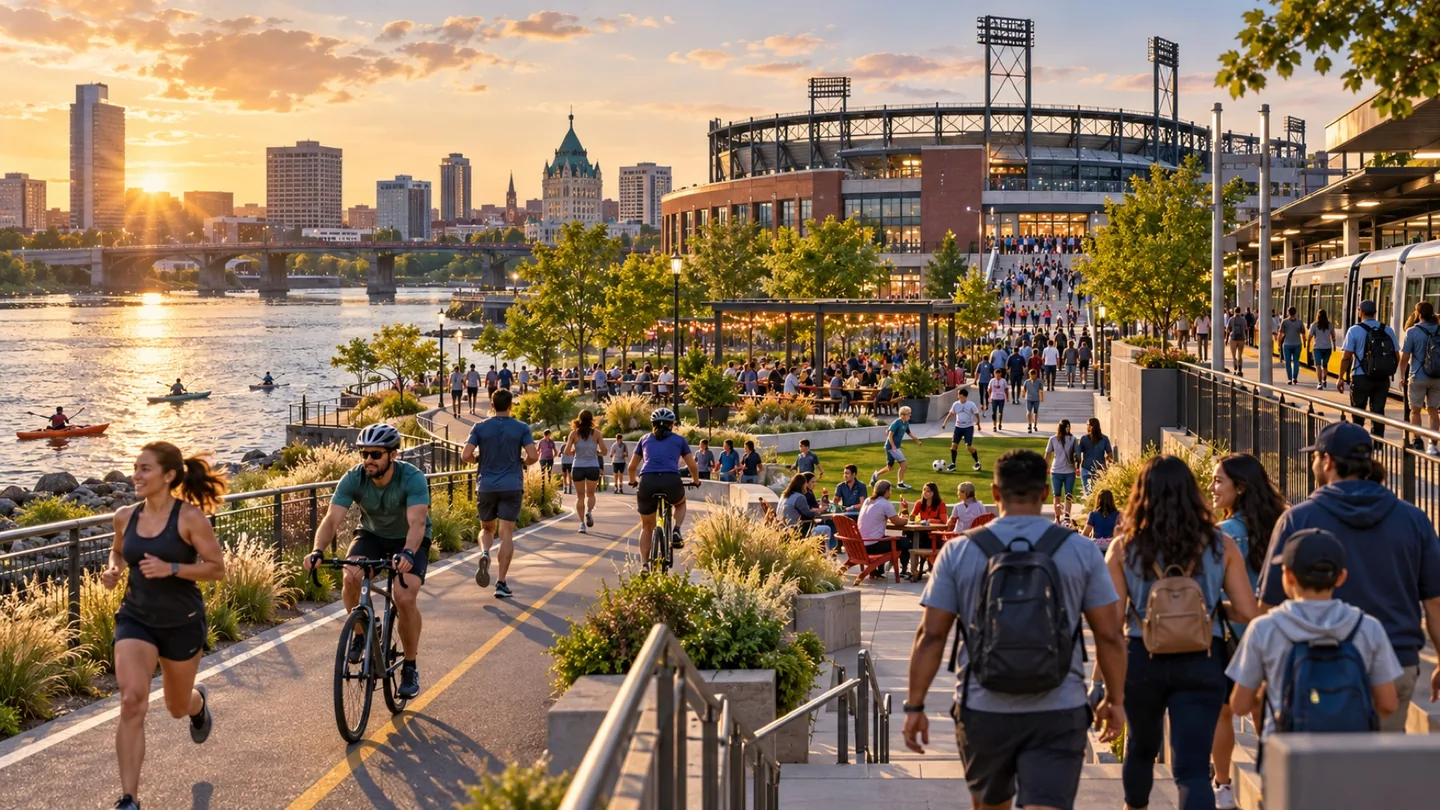
The game should remain the fixed point. Add either a pregame meal, a riverfront walk or a postgame stop—not all three as reservations that depend on a perfect timeline. The Navy Yard DC visitor guide and individual business pages can help you check the neighborhood, while the business itself remains the authority for hours, reservations and event-day policies.
Yards Park and the riverwalk can give an early arrival a purpose. If using the park, review its current visitor information and respect posted rules. On a hot, rainy or crowded day, replace the walk with an indoor or shorter option instead of forcing the itinerary.
Prepare for weather and delays
Baseball is exposed to weather, and event decisions can change close to game time. Use the official team channels for delay, postponement or entry information. Do not treat an ordinary forecast or an unofficial account as the final word on whether the game will be played.
Bring permitted weather protection and consider shade, heat and hydration when choosing arrival time. If the game is delayed, keep the return plan flexible. Tickets, promotions, refunds and exchanges follow official terms; this guide cannot determine what applies to an individual purchase.
Plan accessibility as a complete journey
Review the A–Z guide for accessible seating, parking, drop-off, entrances and guest services, then contact the club when a detail must be confirmed. Check the route from home to the station, parking space or drop-off point, through the gate and to the seat. The shortest map distance may not be the easiest path.
If mobility, sensory conditions or medical needs affect timing, share only the necessary plan with the group and allow room for screening and rest. WMATA elevator status and live service should be rechecked when step-free travel is essential.
Leave with a decision, not a guess
Before the late innings, decide whether the group will leave together, meet outside or separate by mode. Save the return route and confirm that phones have enough power to display tickets, directions and transit information. If using ride-hailing, expect the pickup location to require a walk away from the busiest curb.
A postgame neighborhood stop can let the first crowd clear, but check that the venue is actually open and appropriate for the group. Never assume that a business will hold a table because the game ended later than expected.
Use the game-day checklist
Confirm the game page, tickets, current ballpark policy, bag choice, arrival route, gate, weather, return and one meeting point. Keep the official transportation and A–Z links saved on the same phone note. For a family or out-of-town group, add the seating section and the address of the accommodation.
This plan is deliberately independent of a particular promotion, opponent or season. Recheck the official sources for every game. That small habit makes the guide useful year after year while keeping changing operational details where they belong—with the team, transit operator and neighborhood destination.