WHY THIS DESK EXISTS
Make the region easier to use
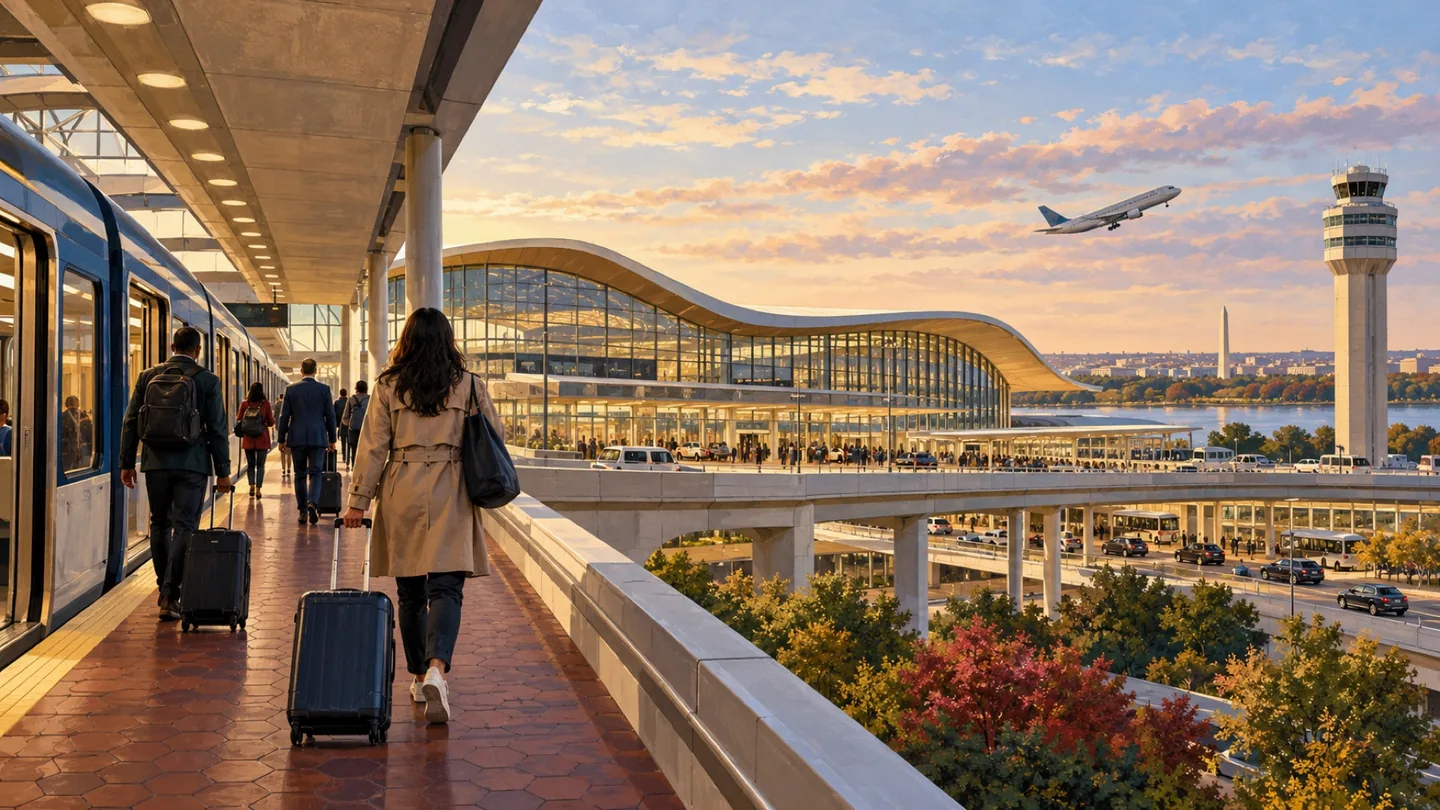
Transportation determines how the Capital Region fits together, but a station name or mileage estimate rarely tells the whole story. This hub will cover Metrorail, Metrobus, VRE, MARC, airports, roads, tolls, biking, walking, parking and rideshare with an emphasis on the complete trip. A useful guide includes the final connection from platform, curb or garage to the actual destination.
Readers should plan with current operator tools, then inspect the route at the time they expect to travel. Service patterns, elevator status, construction, fares, tolls, parking rules and airport procedures can change. A commute comparison should state its assumptions and avoid promising a fixed travel time. Accessibility coverage must address the specific entrance, vehicle or path rather than describing an entire system with one label.
Regional reporting will explain projects and policy without turning a proposal into an open facility. It will connect transportation choices to housing, employment, tourism and community life: which station serves which part of Tysons, how an Arlington corridor works on foot, when a river crossing shapes a schedule, or how an airport trip changes with luggage and time of day. Commercial mobility partners may appear only with clear disclosure and no implied public-agency endorsement.
The strongest pages give readers a primary route, a fallback, a final-leg check and links to official alerts. They will record the review date and separate observed conditions from long-range plans. The goal is not to declare one mode best; it is to help a reader choose the most workable option for a specific trip.
The launch guide will connect every developed community page to the operator and final-leg questions that matter there. Future service changes will update one canonical transport record instead of being copied across many pages. Airport and toll content will avoid stale prices and link to official calculators or operating pages. Reader reports may flag a problem, but official status sources control service claims.
EDITORIAL MISSION
What useful coverage must accomplish
Mobility coverage should describe the complete trip, not just the line, road or station. Every guide should state origin assumptions, destination, travel window, final connection, accessibility considerations, fare or toll variables and a workable fallback. Service alerts and elevator, construction or parking changes must link to the operator. Project reporting will clearly label planning, funding, construction and open-for-use stages. The desk will connect transportation to jobs, housing, events and neighborhood access while avoiding fixed travel-time promises that ignore traffic, weather and service variation.
COVERAGE LANES
What this desk will report
- Metrorail, Metrobus and local bus service
- VRE, MARC and regional rail
- DCA, IAD and airport ground access
- Roads, tolls, parking and major construction
- Walking, biking, trails and accessibility
- Transportation policy and project delivery
READER TOOLS
Practical help, not filler
- Door-to-door route and final-leg worksheet
- Fare, toll and parking cost check
- Accessibility and elevator-source check
- Primary route plus two fallbacks
FIELD PLAYBOOK
How to use this desk
- State the origin, destination and travel window before comparing modes. A route that works at noon may fail during a weekend closure, late-night headway or peak road period.
- Describe the final connection from station, curb, platform, garage or terminal to the actual entrance. Include elevation, crossing, elevator or luggage conditions when they materially change the trip.
- For projects, label planning, environmental review, funding, design, construction and open-for-use separately. A study recommendation or ribbon-cutting forecast is not current service.
- Every practical guide should include the operator alert page, current fare or toll tool and at least one fallback. Avoid fixed travel-time promises; state the assumptions and the latest check.
Bottom line: A useful mobility page states its assumptions, maps the entire trip, identifies the volatile points and offers a credible fallback. It should never treat a station name, mileage number or future project as proof of convenient access.
RECURRING COVERAGE
What readers can expect
- Monday service-change brief
- Major-project milestone tracker
- Event transportation plan
- Quarterly commute and access guide
Refresh standard: Review operator alerts weekly and recheck time-sensitive service information on the day of use.
READER CHECKLIST
Questions worth answering
- What is the complete door-to-door trip, including the final connection?
- Which service alert, fare, toll, parking or accessibility detail may change?
- Is a project proposed, under construction or open for use?
- What practical fallback works if the primary route fails?