 guide
GUIDE
Getting Around the Capital Region: Metro, Rail, Bus, Roads and Tolls
Build a journey around the actual address, time and return trip. A station name alone rarely tells the whole story.
CAPITAL REGION · JURISDICTION
Washington, DC is a federal capital and a city of everyday neighborhoods. Georgetown, Capitol Hill, Dupont Circle, Navy Yard, NoMa and the National Mall offer distinct reasons to visit, work or live, while District-wide mapping and service tools answer the questions a neighborhood name cannot.
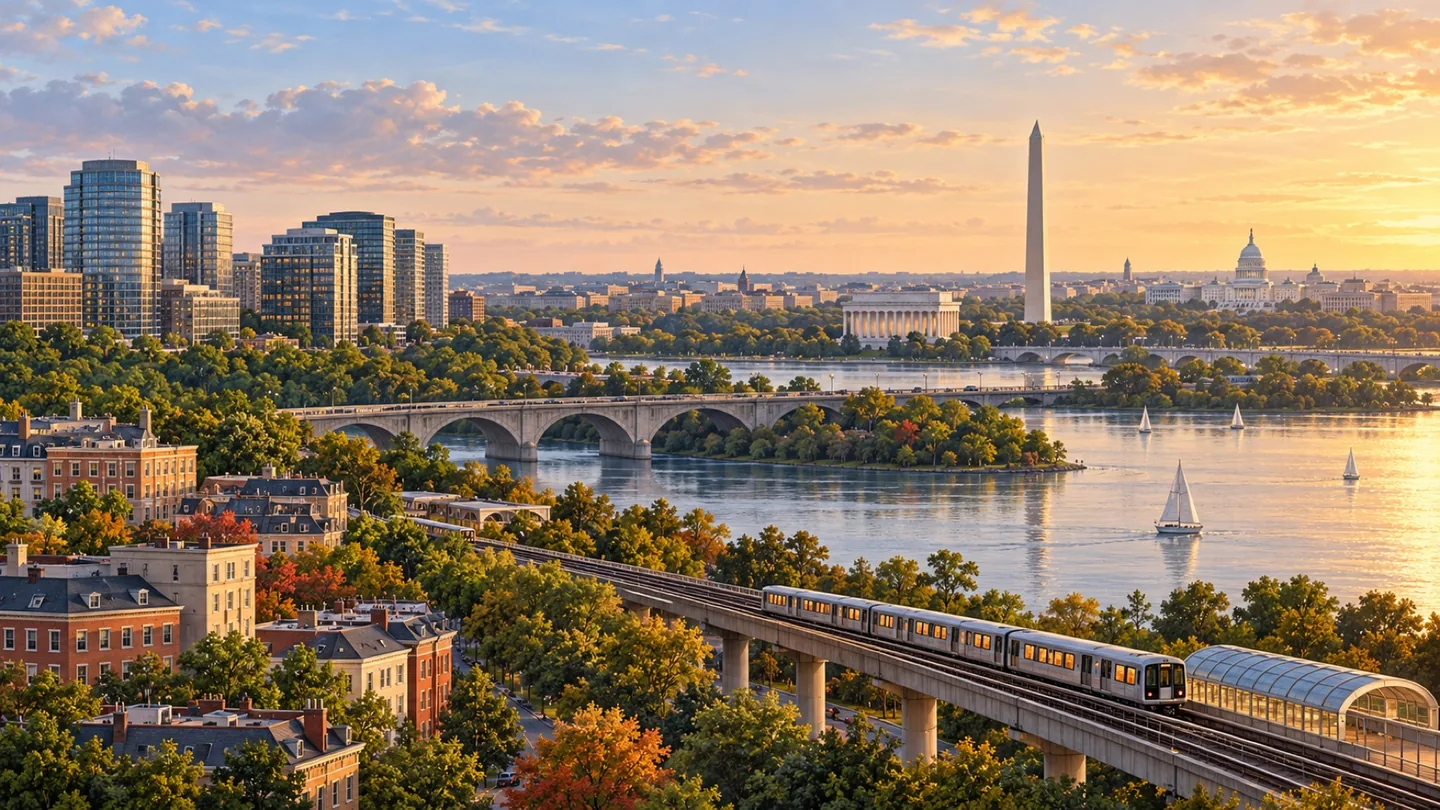
Washington, DC is a federal capital and a city of everyday neighborhoods. Georgetown, Capitol Hill, Dupont Circle, Navy Yard, NoMa and the National Mall offer distinct reasons to visit, work or live, while District-wide mapping and service tools answer the questions a neighborhood name cannot.
Use neighborhood names as editorial orientation, not legal boundaries. The DC Office of Planning states that the District does not have official neighborhood boundaries. A familiar label such as Capitol Hill, Shaw or Navy Yard can help describe a place, but it does not establish a ward, Advisory Neighborhood Commission, historic district, school assignment or property rule. Begin address-level research with official District mapping.
For a visit, choose one primary area and connect only the stops that make sense on foot or by a short transit trip. A National Mall museum day has a different rhythm from Georgetown, Eastern Market or the Anacostia riverfront. Check each destination’s current entry and operating information, then use WMATA or the responsible transportation operator for the actual date and return. Avoid building a day around a list of neighborhoods simply because they appear close on a regional map.
For a move, compare the complete weekly routine from a specific block: work, groceries, school or child care, medical care, parks and the return after dark. Test the walk to the station entrance you would actually use. Note hills, crossings, bus-stop location and bike-storage or parking arrangements at the building. A neighborhood reputation cannot answer those practical questions.
For a business or property decision, use PropertyQuest and the relevant agency resources to identify the parcel, ward, ANC, zoning and historic information. These tools have different purposes. A ward is an electoral district; an ANC is a local advisory body; a historic district involves separate mapped considerations; an editorial neighborhood guide is none of those. Confirm the current responsible agency and application record before describing a proposal as approved.
DC’s geography also crosses federal and local management. The National Park Service operates many prominent parks and federal sites, while District agencies manage other streets, parks, permits and services. A waterfront trail, public plaza and federal memorial may sit in one itinerary but have different rules and alert pages. Follow the operator named on the official page.
Our canonical public hub is /washington-dc/. The Washington, DC subregion record is only a navigation container and should not create a duplicate public destination. Place guides for Georgetown, Capitol Hill, Dupont Circle, Navy Yard and NoMa should connect back to this hub while preserving their own practical context.
The most useful DC guide helps readers make one decision at a time: where to start, what official map answers the question, how to get there and what must be rechecked. That approach serves residents and visitors better than pretending a single downtown itinerary represents the District.
For residents, visitors and businesses, timing changes the experience. A block near an office district on a weekday can feel different during a weekend market, museum rush or stadium event. Visit at the time that matches the decision. Check current curb, parking, transit and event information rather than extrapolating from one trip.
Editorially, the DC hub should balance federal destinations with neighborhood life. The National Mall and museums can bring large search demand, while neighborhood, riverfront, restaurant and practical transportation guides create reasons to return. Avoid duplicating official attraction lists. Our value is the decision layer: which stops fit together, what needs a reservation, how to reach them and what official source must be checked again.
The revenue opportunity is equally specific. Game-day, museum-day, relocation, business-travel and neighborhood-weekend collections can support clearly disclosed sponsorships from hotels, restaurants, professional services and attractions. Paid placement must never determine an editorial ranking or imply government or institutional endorsement. A sponsor receives a labeled commercial position; the reader still receives a complete, usable guide.
The DC editorial calendar should group related work so updates remain manageable: museums and monuments, neighborhoods, waterfront and sports, transportation, and address-level civic explainers. Every article needs a review frequency based on how quickly its facts change. Search and engagement data can then determine which neighborhood or itinerary earns the next expansion. That approach produces a useful city guide without chasing every event, restaurant opening or unofficial boundary.
Review the hub when District mapping tools, featured-guide relationships or agency responsibilities materially change. Individual events, exhibitions and business openings belong in dated records with a source and expiration plan. The jurisdiction hub should stay stable enough to serve as the reliable starting point for the rest of the DC coverage.
The District is a federal district and county equivalent. DC has eight wards, but the Office of Planning does not define official neighborhood boundaries. Neighborhood names do not determine wards, ANCs, historic districts, schools or property rules. Use official mapping and agency tools for an exact address. Federal and District agencies may manage different destinations in the same area. The /washington-dc/ jurisdiction page is the canonical public hub.
OFFICIAL STARTING POINTS
RELATED READING
guide
GUIDE
Build a journey around the actual address, time and return trip. A station name alone rarely tells the whole story.
 guide
GUIDE
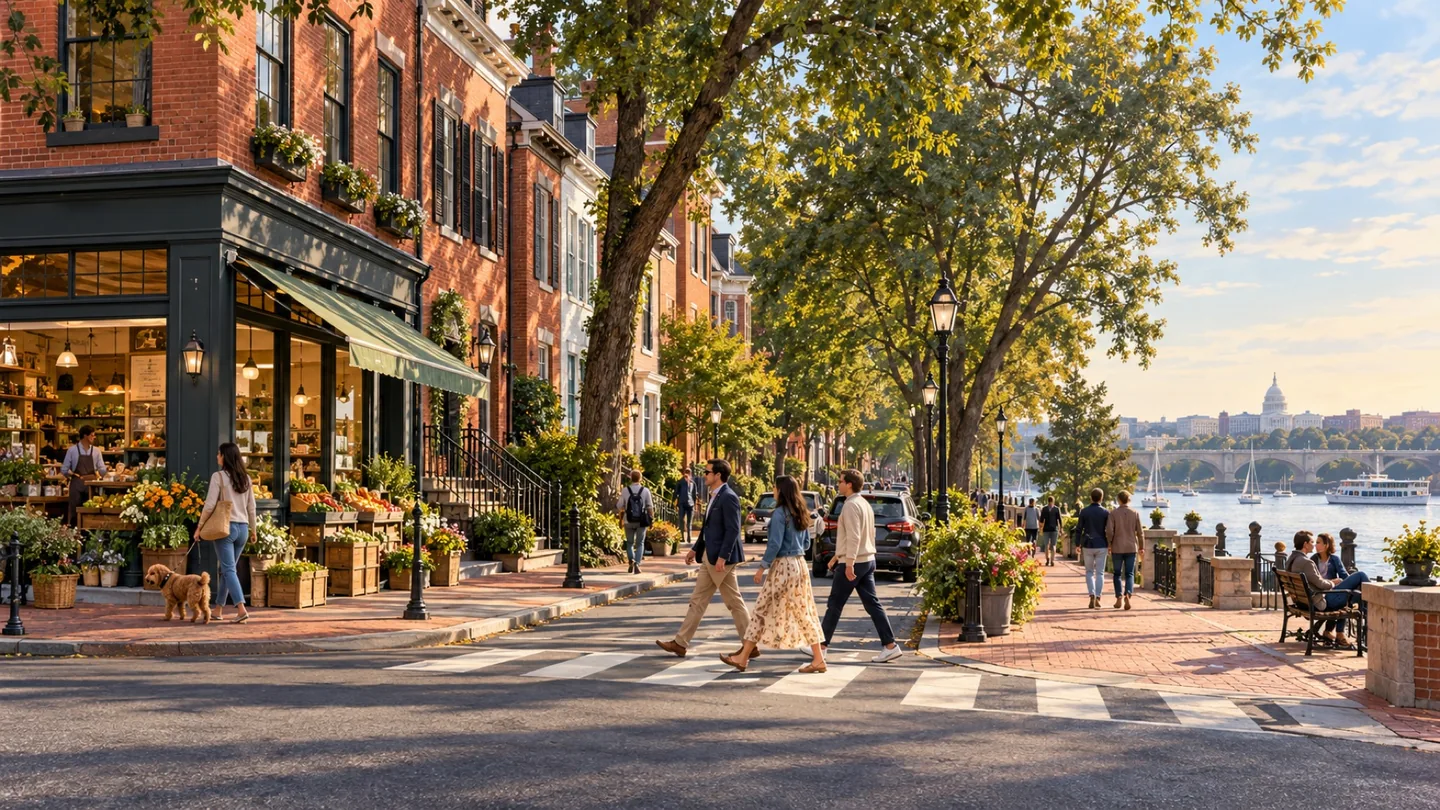
Choose a compact route through the commercial streets, canal and waterfront instead of treating Georgetown as a single stop.
 guide
GUIDE
Separate a market outing from a Capitol tour, then combine them only when the timing and walking route make sense.