WHY THIS DESK EXISTS
Make the region easier to use
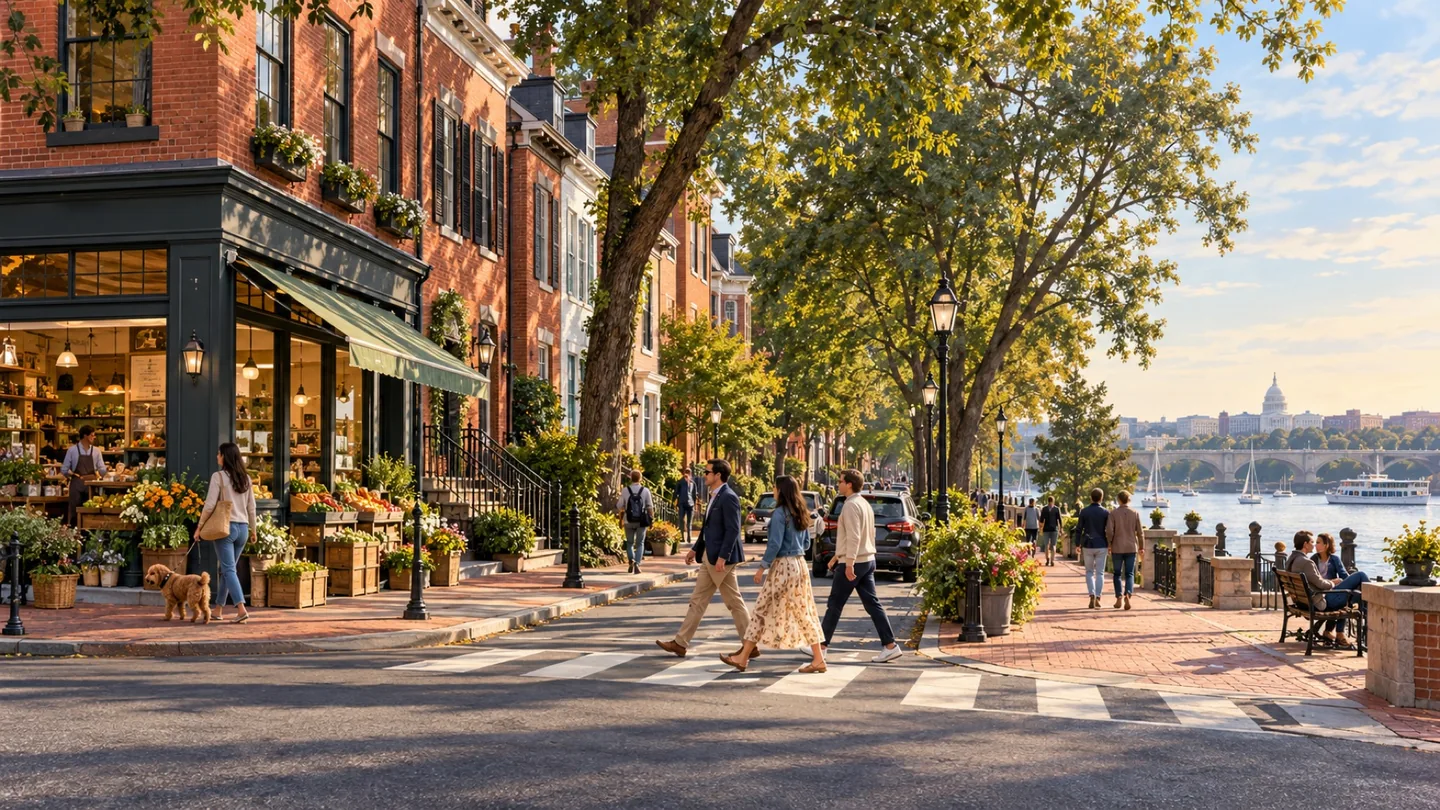
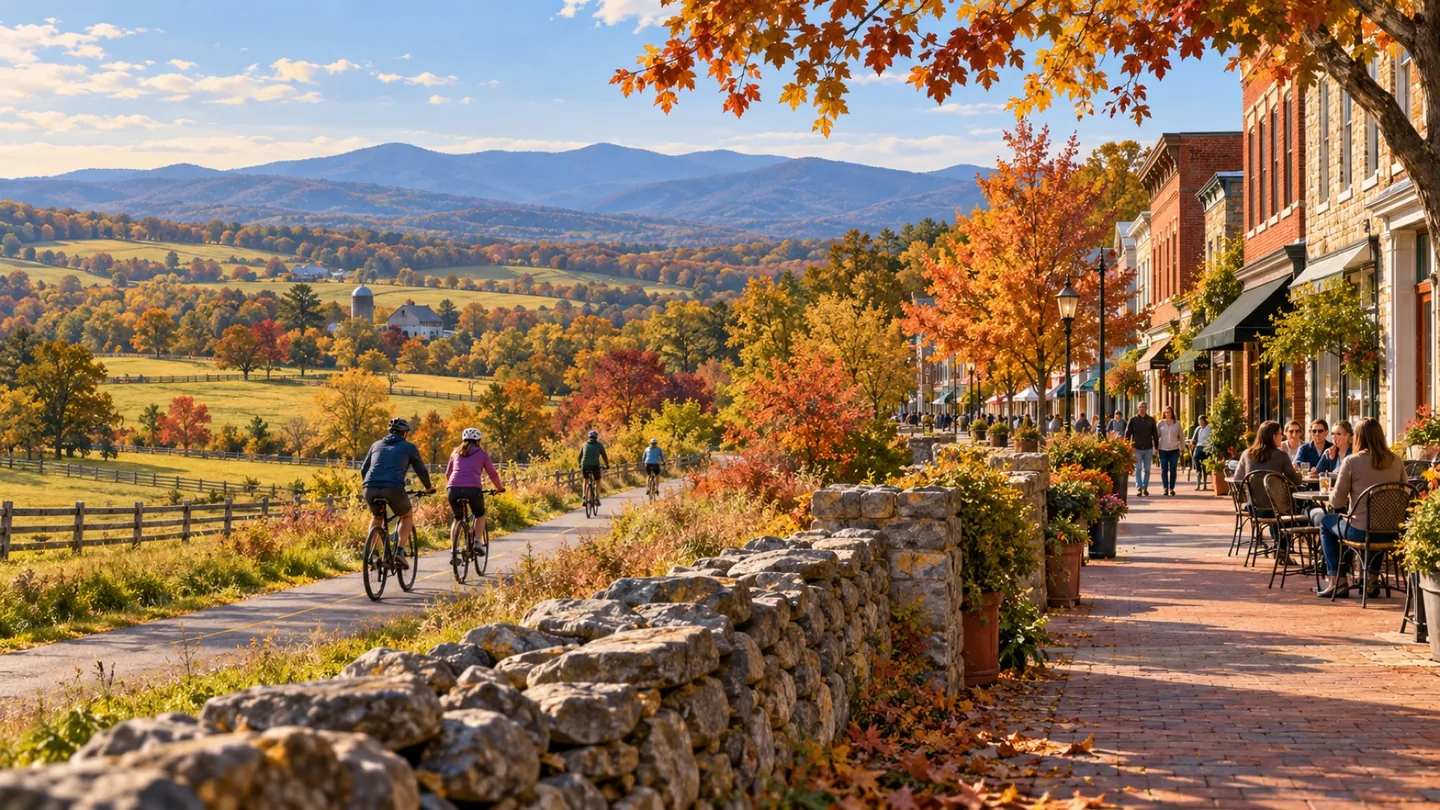
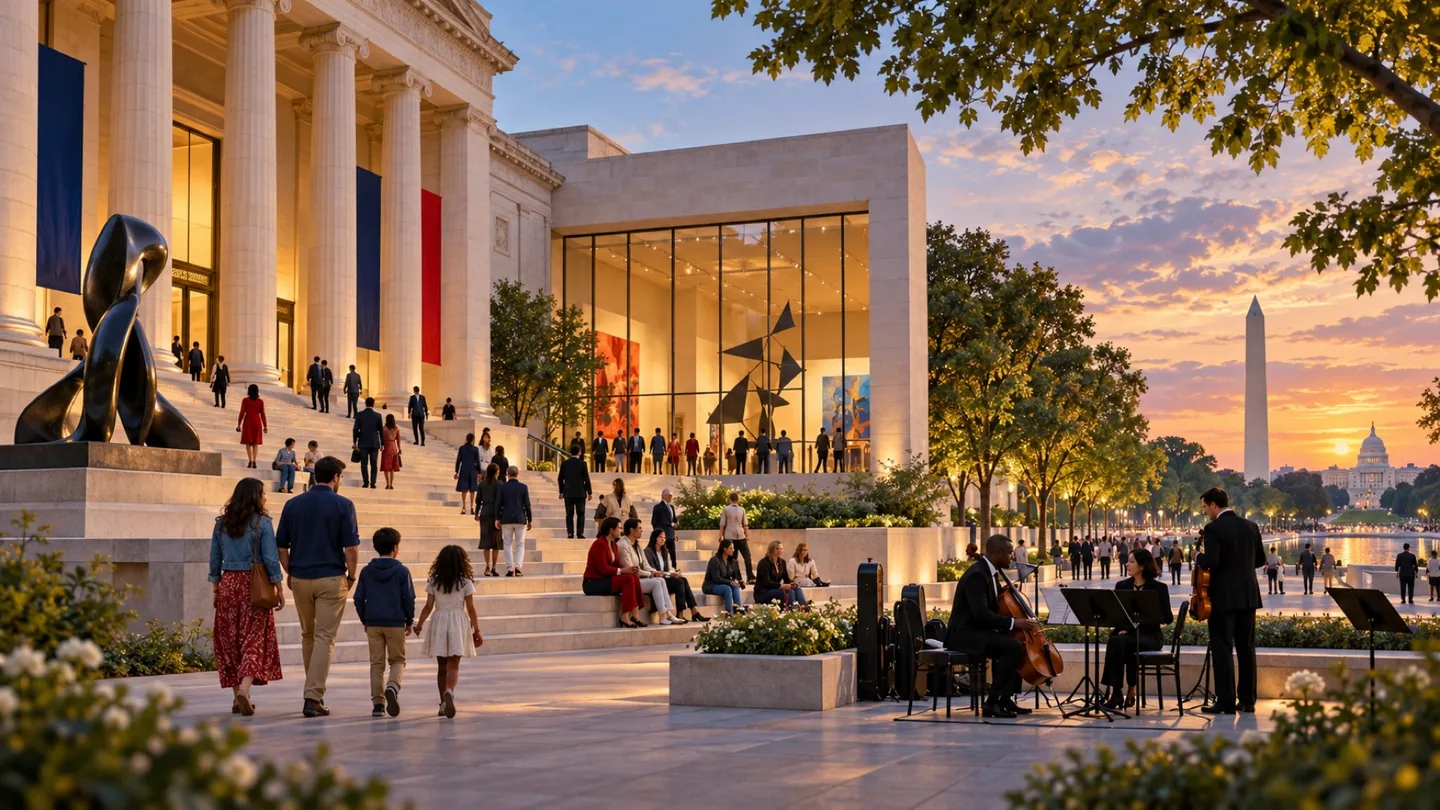
The Capital Region's cultural life reaches from national museums and monuments to neighborhood galleries, theaters, music rooms, festivals, historic organizations and local media. This hub will help readers choose an experience by interest, location and practical fit rather than presenting one generic list of famous institutions. It will connect the National Mall with cultural districts in Washington, Alexandria, Arlington, Fairfax and Loudoun while keeping each place's identity clear.
A useful arts guide explains what the visitor will encounter, how long the experience may reasonably take and what must be checked before arrival. Timed-entry passes, security screening, closures, performance schedules, accessibility, photography rules and last-entry times can change. The venue's official page is the final authority. Reviews and recommendations should distinguish editorial judgment from sponsored placement, and no paid partner can purchase a favorable review or an undisclosed ranking.
Coverage will include museum planning, performance previews, artist and organization profiles, public art, cultural history, media literacy and practical itineraries that combine nearby stops. A story about a community, collection or tradition should use respectful sourcing and avoid treating culture as decoration. Copyrighted artwork and performance imagery require permission; an event listing must identify the organizer, date, venue and official ticket or registration route.
The strongest guides will make a cultural day easier and more memorable: one clear anchor experience, an optional nearby addition, a realistic arrival plan and a source-checked fallback. Profiles and sponsorships can support the desk when the organization is verified, the commercial relationship is visible and the content remains genuinely useful.
The launch sequence will use Smithsonian and National Mall guides as anchors, then add neighborhood culture and performing-arts routes that broaden the map. Calendar items will expire from featured positions. Reviews will name the evidence behind a recommendation, giving small local organizations a fair path to coverage without requiring a paid package.
EDITORIAL MISSION
What useful coverage must accomplish
The arts desk should help a reader choose and plan an experience while giving local creators, institutions and neighborhoods meaningful context. Listings must include the primary organizer, date, venue, ticket or registration status, accessibility and a source link. Editorial reviews and previews need independent judgment; paid promotion must be unmistakable. Museum, performance and public-art coverage should explain why the work matters to the region instead of repeating marketing copy. The desk will respect image, performance and recording rights and will maintain a weekly calendar that expires finished events rather than leaving stale pages in search.
COVERAGE LANES
What this desk will report
- Museums, exhibitions and public history
- Theater, dance and live performance
- Music, film, comedy and nightlife
- Public art, galleries and creator profiles
- Festivals and neighborhood cultural events
- Local media, publishing and creative economy
READER TOOLS
Practical help, not filler
- Ticket, timed-entry and cancellation check
- Accessibility, age and content-note fields
- Transit, parking and nearby-plan module
- Primary organizer and rights-verification checklist
FIELD PLAYBOOK
How to use this desk
- A weekly listing earns space by giving a reader a complete choice: what the program is, why it is regionally interesting, when and where it happens, who presents it and what admission requires.
- A preview should add reporting beyond the organizer's description: artist or institution context, neighborhood connection, format, expected duration and the practical reason this audience may care.
- A review must disclose hosted admission or material access, separate observation from fact and avoid reproducing protected performance, artwork or program text beyond permitted use.
- Every event record needs an owner and expiration time. Recheck sellouts, postponements, venue changes, access rules and high-demand registration within 48 hours, then archive or redirect after the event.
Bottom line: The arts desk earns trust by being selective, current and original. Readers should understand why an experience matters, whether it fits them, how to attend and which practical detail is most likely to change.
RECURRING COVERAGE
What readers can expect
- Monday two-week events desk
- Thursday weekend shortlist
- Monthly exhibition and performance preview
- Creator and cultural-business profile
Refresh standard: Update weekly, remove expired events promptly and recheck high-demand admission status within 48 hours.
READER CHECKLIST
Questions worth answering
- What experience, district and audience is the guide serving?
- Which passes, schedules, closures or access rules need a current check?
- Are artwork, performance and event images cleared for publication?
- Is the recommendation editorial, sponsored or a paid profile?