WHY THIS DESK EXISTS
Make the region easier to use
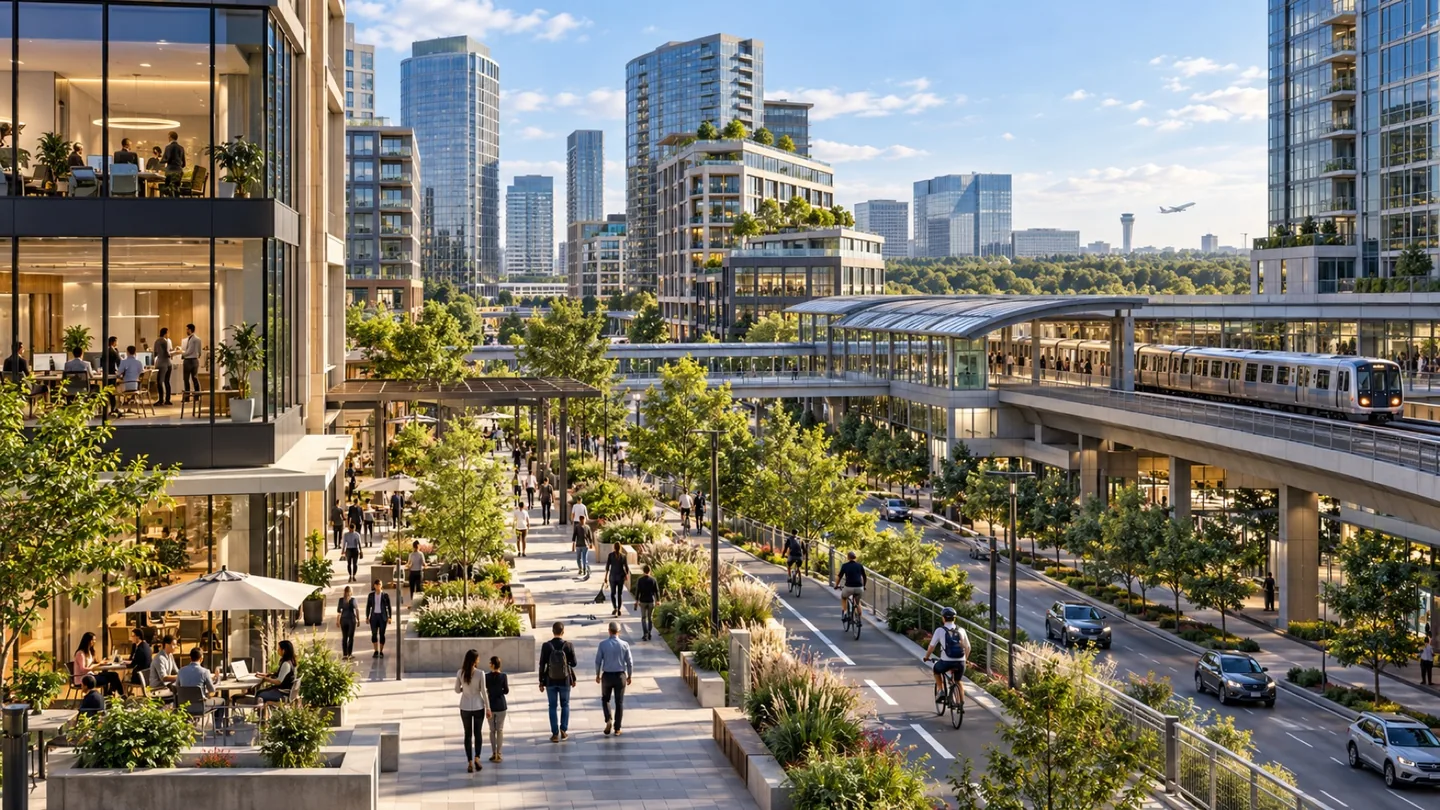
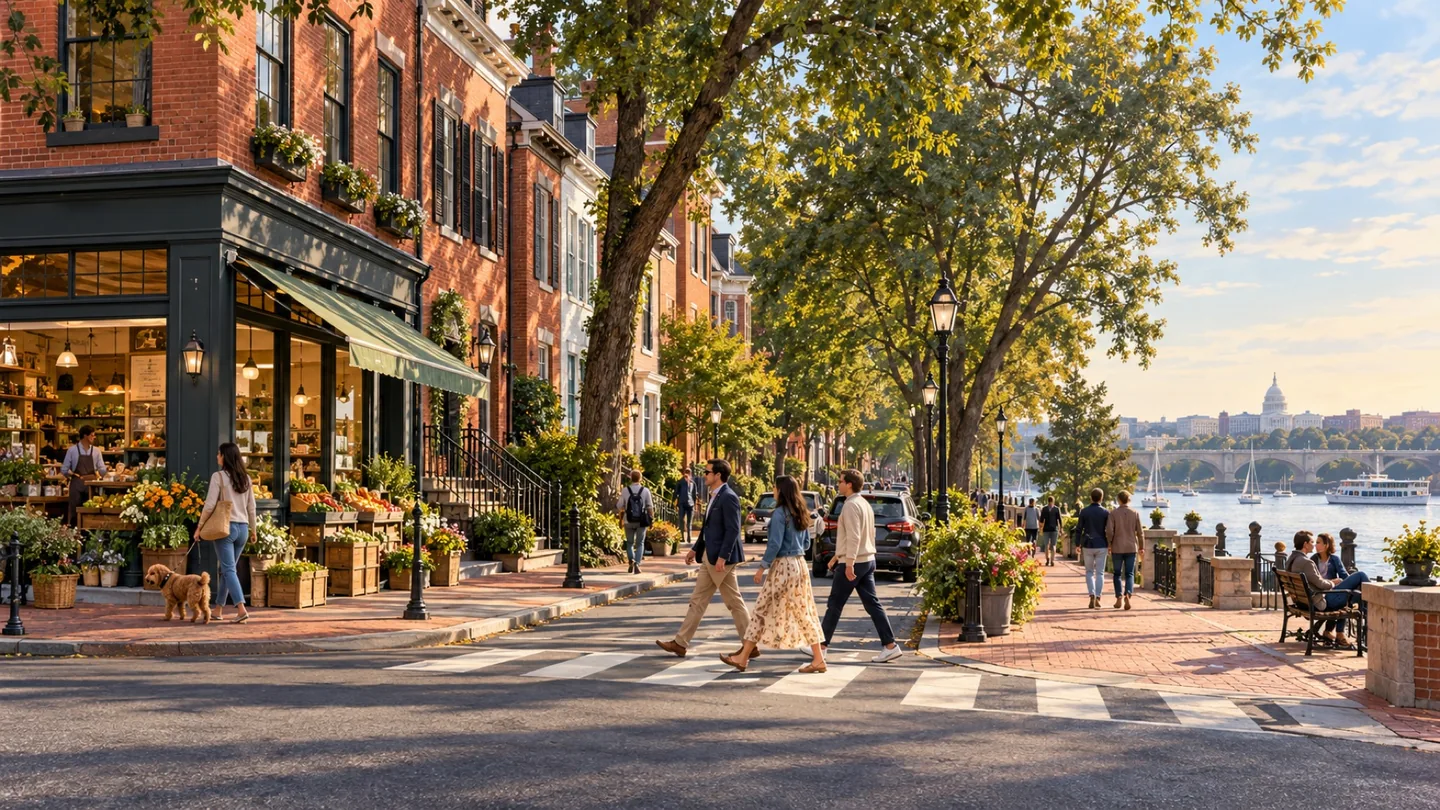
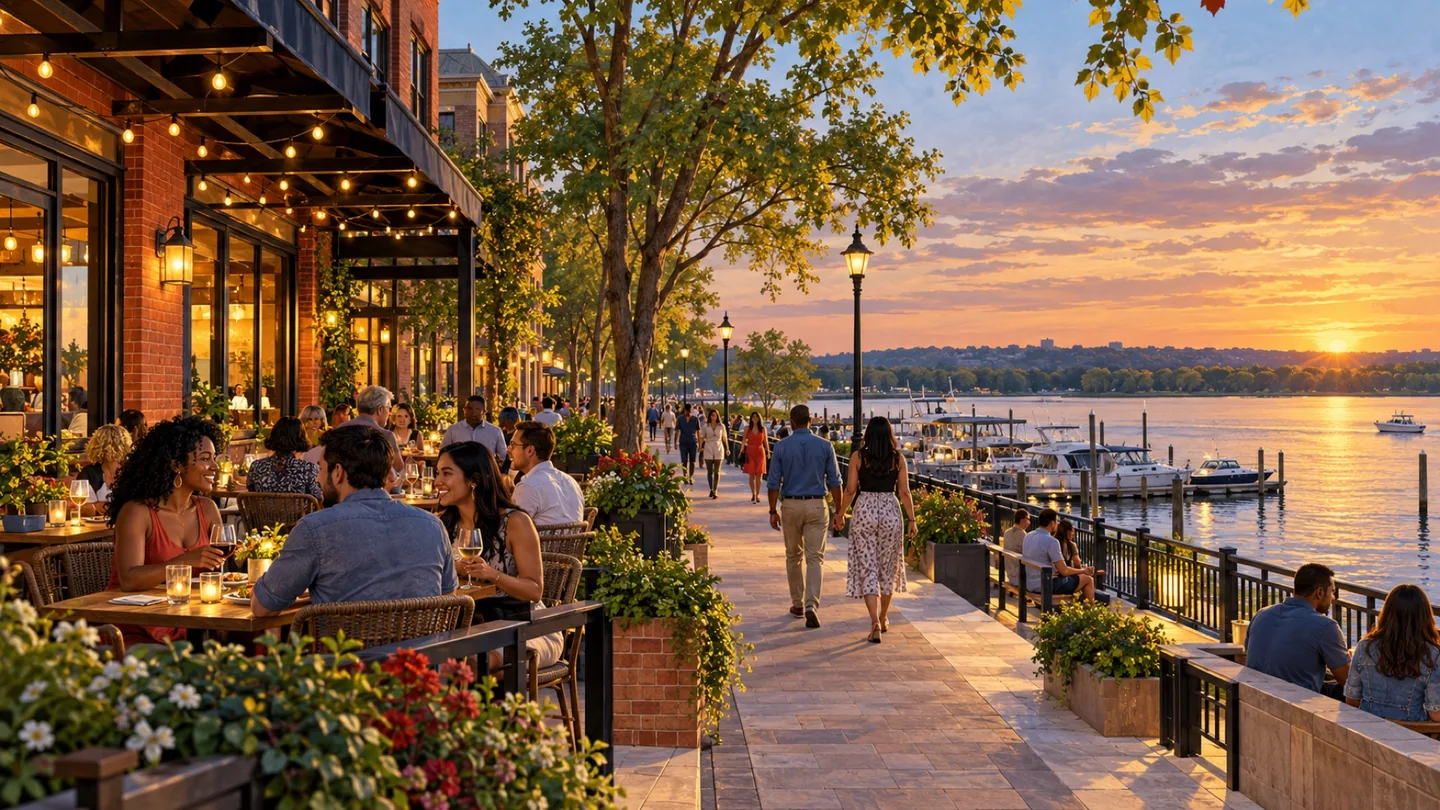
Visitors and residents experience the Capital Region as a network of distinct districts, not one continuous attraction. A museum day on the National Mall, a waterfront weekend in Alexandria, a meeting in Tysons, a Georgetown dinner and a Loudoun outing require different plans. This hub will organize restaurants, hotels, attractions, historic sites, meetings, nightlife and culinary guides around the purpose of the trip and the actual geography of the day.
Useful visitor content answers the questions that change an outing: Is a timed pass required? Which entrance is accessible? What is the last practical arrival time? How does the final walk work from transit or parking? Are a restaurant's hours, reservation rules and location current? Does a hotel actually serve the district named in the itinerary? Operating details are volatile, so every guide will point to the venue's official information and carry a review date instead of pretending an evergreen article can freeze a schedule.
Editorial recommendations should explain who a place is good for, what makes the experience distinct and how it fits with nearby stops. They should avoid vague superlatives and disclose paid inclusion. A sponsored itinerary can still be useful when the route makes geographic sense, the sponsor unit is visible and the editorial team controls the practical advice. Profiles require a verified business identity, location and offering; a reservation link does not establish availability.
The commercial opportunity is strong—hotels, venues, restaurants, attractions and transport providers can support district and meeting guides—but the reader comes first. The best pages will combine a realistic route, one or two flexible alternatives, weather or accessibility considerations and official links for final checks.
Launch collections will be district-based so readers can move naturally between an attraction, meal, hotel and evening option. Dated events will live in records with expiration rules instead of padding evergreen pages. Restaurants and hotels can buy clearly marked reach, but editorial itinerary inclusion still requires geographic and reader-value fit.
EDITORIAL MISSION
What useful coverage must accomplish
Hospitality coverage should solve a trip, meal or gathering rather than assemble generic lists. Every guide needs a clear audience, geography, price context, reservation reality, transportation plan and accessibility check. Restaurant profiles should verify the operator, location, current service model and what makes the experience distinctive. Hotel coverage should explain fees, parking, transit, event access and who the property suits. Tourism pieces must link to primary attraction and government sources for timed entry, closures and rules. Invitations and hosted experiences require disclosure and never guarantee favorable coverage.
COVERAGE LANES
What this desk will report
- Neighborhood dining and occasion-based guides
- Hotels by trip purpose and transportation pattern
- Visitor itineraries with realistic timing
- Food halls, markets, breweries and local producers
- Meetings, weddings and group hospitality
- Openings, closures and operator stories
READER TOOLS
Practical help, not filler
- Reservation and cancellation check
- Transit, parking and final-block plan
- Fee, accessibility and age-rule checklist
- Two-hour, half-day and full-day itinerary formats
FIELD PLAYBOOK
How to use this desk
- Build itineraries around a realistic anchor reservation or timed entry, then add nearby stops that fit the same district. Allow time for security, walking, transit transfers and an unhurried meal.
- Restaurant coverage should state the meal, service style, price context, reservation reality and dietary or accessibility information the business actually confirms. One visit should not become a universal quality claim.
- Hotel guides should compare the trip the property serves: government meeting, family visit, airport connection, convention, game or weekend. Include mandatory fees, parking and the true last-mile route.
- For events and attractions, verify the primary organizer, date, venue entrance, ticket source, age rule, bag policy and cancellation status. Expire finished listings instead of letting them masquerade as evergreen content.
Bottom line: A reader should finish with a workable route, a confirmed anchor, a realistic budget and timing range, one flexible alternative and the official links needed to recheck volatile details before leaving.
RECURRING COVERAGE
What readers can expect
- Weekend dining plan
- Monthly opening-and-closing report
- Seasonal visitor itinerary
- Operator profile with verified business facts
Refresh standard: Recheck hours, reservation links and closures within 72 hours of a time-sensitive recommendation.
READER CHECKLIST
Questions worth answering
- What district and trip purpose should shape the itinerary?
- Which hours, tickets, reservations or entry rules need a current check?
- How will the reader handle the final walk, parking or accessibility need?
- Is any recommendation or placement sponsored?